Event trends 2027: five shifts, seen through a Brussels lens

Event trends for 2027 come down to five shifts: experience leads the brief, every euro has to perform, sustainability needs proof, technology has to carry the story, and smaller formats beat sheer size. That, at least, is the picture drawn by the 2027 Global Meetings and Events Forecast from Amex GBT, a YouGov survey of 500 meeting professionals in 11 countries.
Below, each trend comes with what it means for planners, and where it is already playing out in Brussels.
- Experience leads the brief: venues with character win over standard meeting space.
- Every euro has to perform: costs per attendee keep rising, so efficiency counts.
- Sustainability needs proof: new EU rules put labels and data above adjectives.
- Technology carries the story: AI and production tools serve the experience.
- Smaller, sharper, closer: curated formats with an audience close to home.
1. Experience leads the brief
For the third year running, improving the attendee experience is the top priority for meeting professionals, named by 42% in the Amex GBT forecast. The same report sees planners moving away from conventional hotel meeting space towards restaurants, cultural sites and boutique venues that bring character to the agenda.
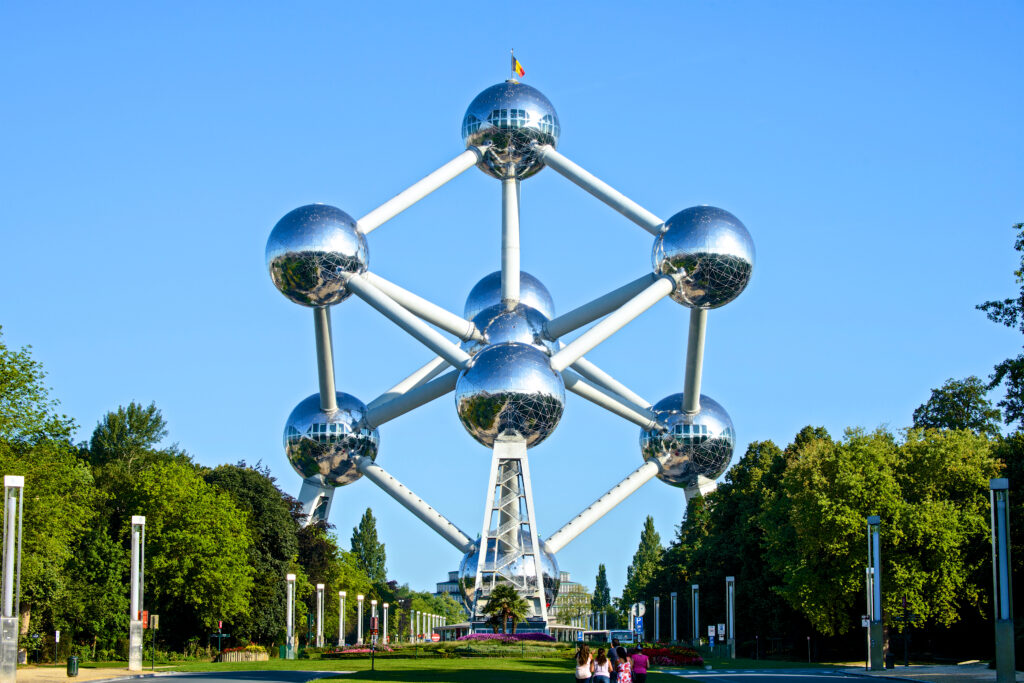
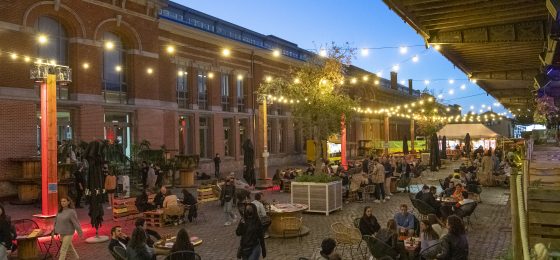
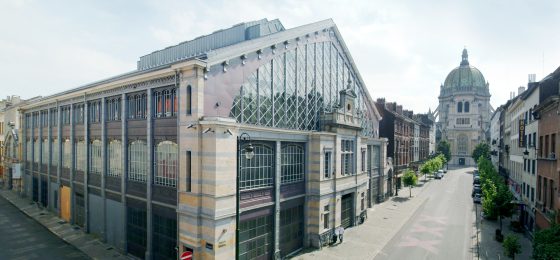
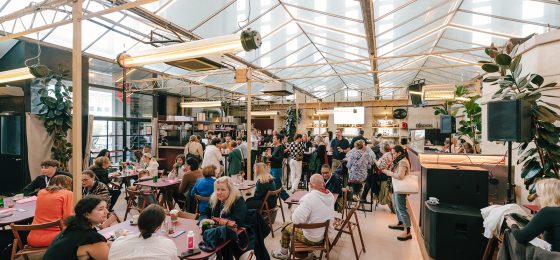
Brussels has that character in depth. From the Atomium and Residence Palace to Bozar, SILO and Flow Brussels on the canal: within one compact city, planners can choose between iconic landmarks, heritage houses, cultural centres, industrial halls and spaces by the water, and combine several of them in a single programme. Many of these venues set the tone before the first speaker takes the stage.
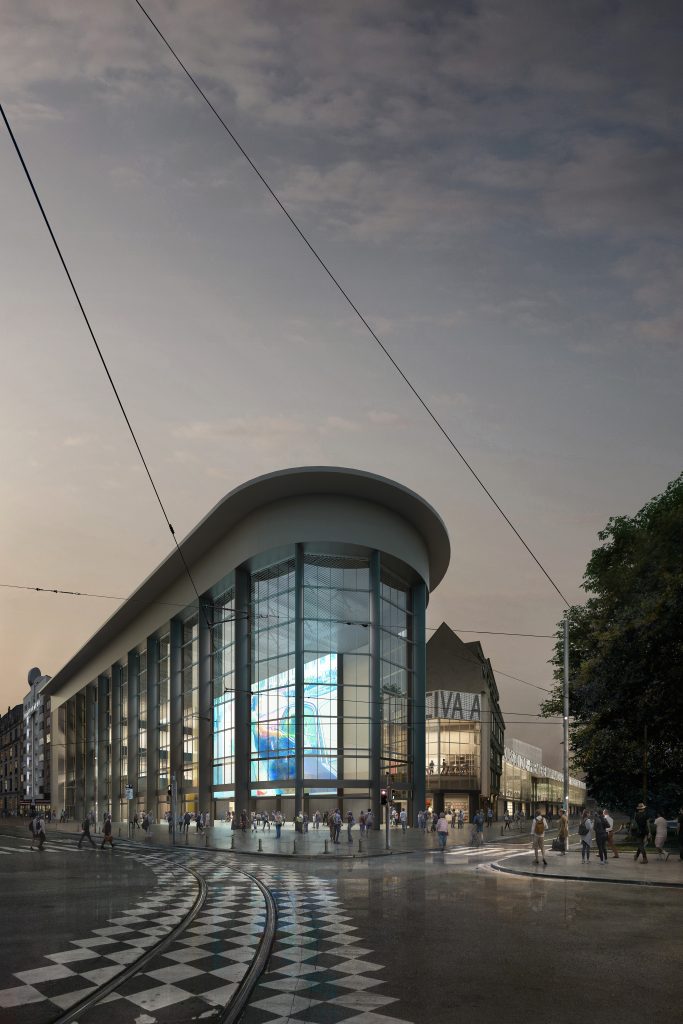
2027 adds new stages. Along the canal, former industrial buildings are reopening as cultural and event venues. A 1930s car garage, for one, opens as Kanal-Centre Pompidou on 28 November 2026: a 40,000 m² hub for art and performance, with spaces for receptions, launches, dinners and congresses.
What it means for planners: choose a venue for the story it adds, not only for the square metres it offers.
2. Every euro has to perform
Budgets are growing, but so are prices. Amex GBT expects the total cost per attendee to rise for every meeting type in 2027, driven by higher hotel rates and airfares, and European planners are slightly more worried about costs than their global peers. When disruption hits, 39% of planners have already switched destination or city.
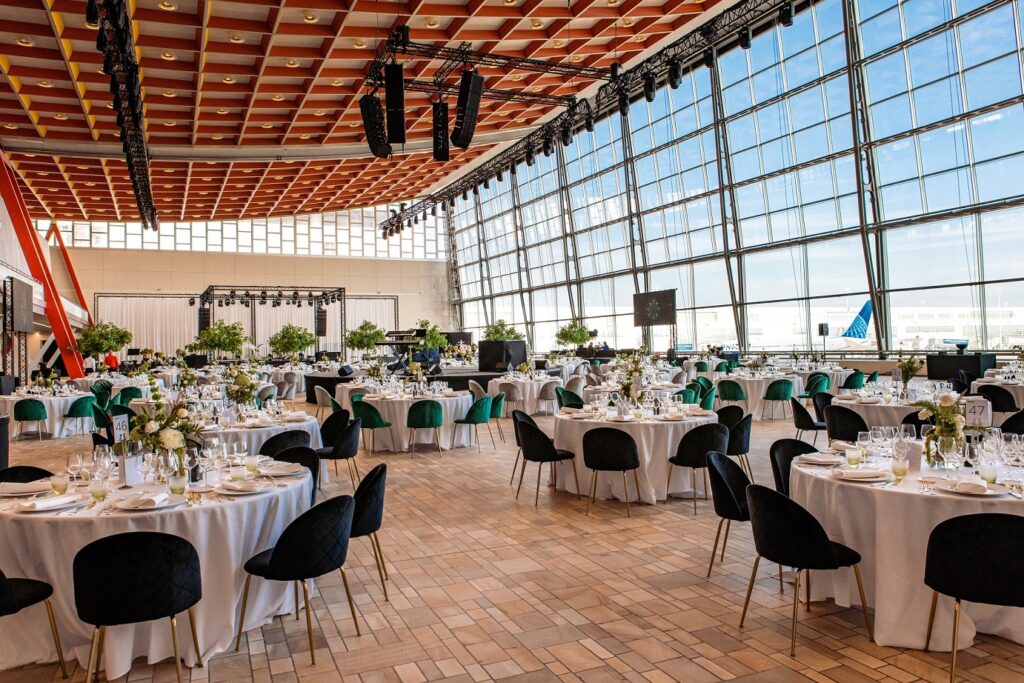
Brussels answers with efficiency. Six trains an hour link Brussels Airport to the city’s main stations, with Brussels Central under 20 minutes away. Some venues save even that ride: Skyhall, with room for up to 2,500 guests, is a covered walk from the airport terminal, and Respace Airport is five minutes away.
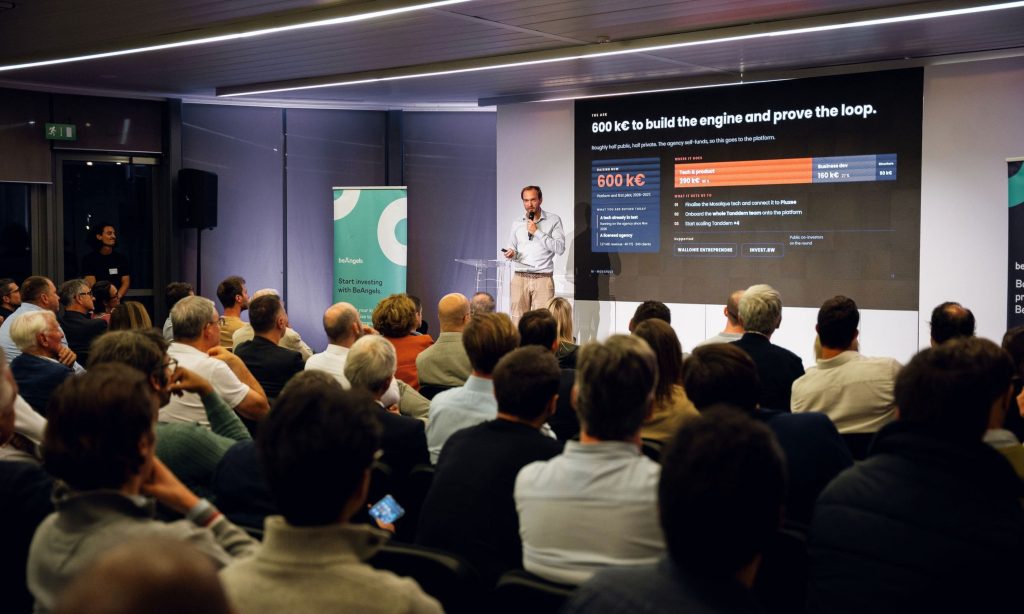
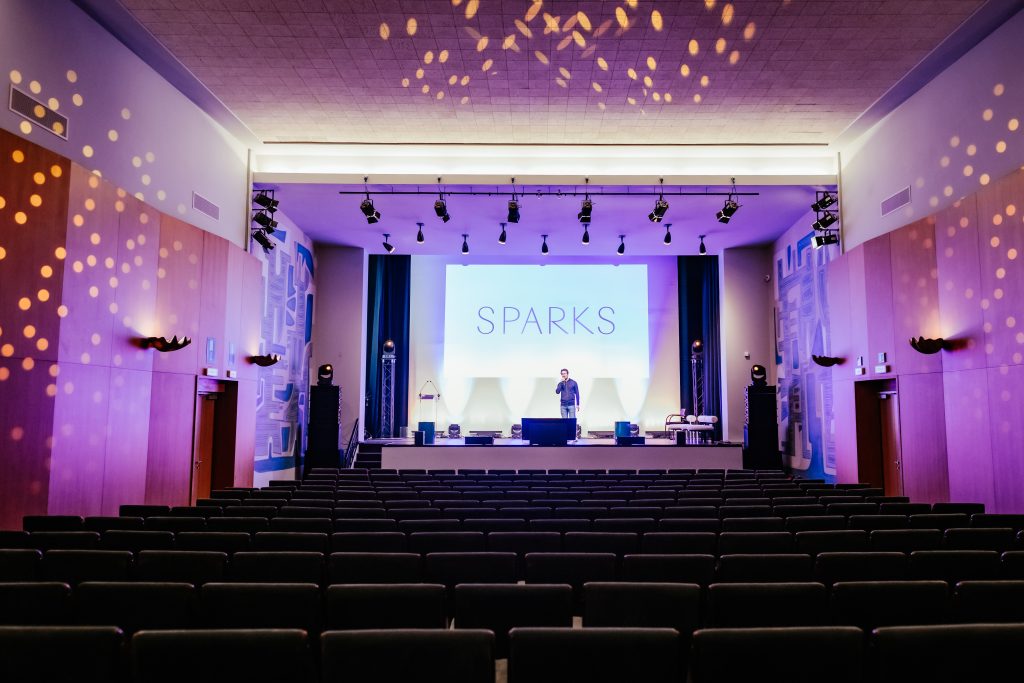
In the city, others sit close to a station: Track in the former railway museum of Brussels-North, Sparks Meeting a minute’s walk from Brussels Central and The EGG close to Brussels-Midi, where the Eurostar arrives. Distances between venues are short too, so transfers eat less of the day and the budget.
The range is just as practical. BSV’s member venues host everything from a board meeting for a dozen people to a congress for thousands, as at Tour & Taxis. That covers the corporate conference and the gala dinner, the team event and the product launch, all within easy reach.
What it means for planners: plan for value per attendee, not just total cost. Size the venue to the group, choose one close to where your guests arrive, and keep sourcing time to a minimum.
3. Sustainability needs proof
The era of green pledges is over. Since 27 September 2026, the EU’s Empowering Consumers for the Green Transition Directive applies: it targets greenwashing, and sustainability labels now need to rest on a public authority or a certification scheme. The rules address consumer communication, but the signal reaches business events too. A claim like ‘sustainable event’ now needs evidence behind it.
It’s happening here. Brussels is where these rules are written, and the city is building the evidence to match. Two of its three major conference centres hold a sustainability label, visit.brussels has published a best-practice guide for congress and festival organisers, and Brussels ranks 17th in the Arcadis Sustainable Cities Index 2024.
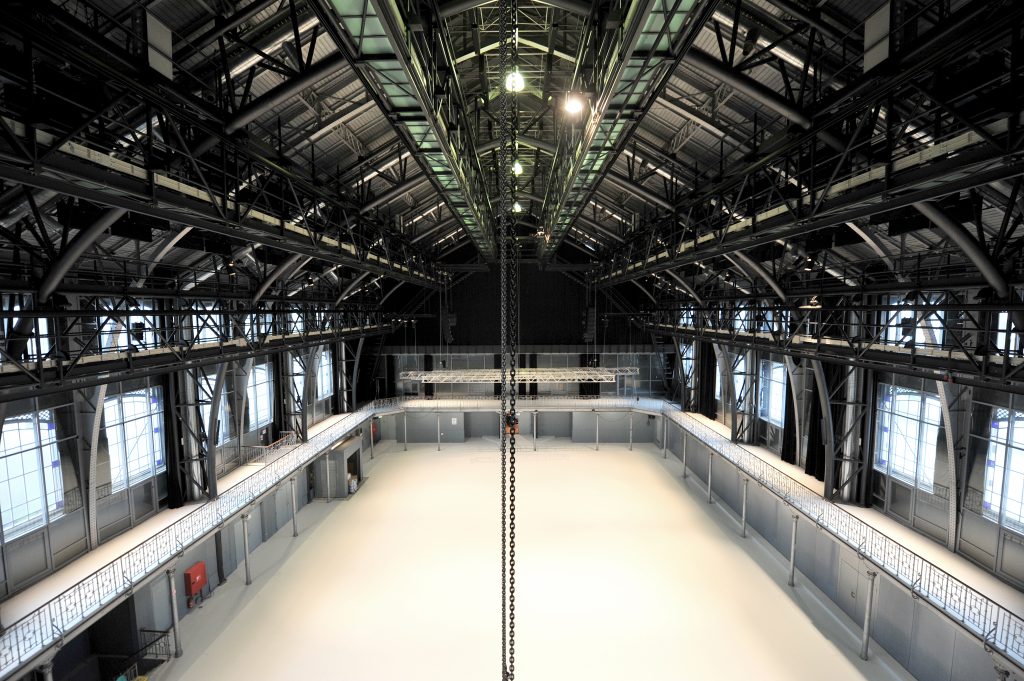
Many Brussels venues also give existing buildings a second life, among them two former bank headquarters (Wolf Food Market and Hexagon), a 1930s broadcasting house (Flagey), a former brewery and malthouse (Silo Brussels), the former building of Belgium’s national telephone company (Area 42) and a 19th-century market hall (Les Halles de Schaerbeek).
What it means for planners: ask venues for labels and data, not adjectives. Read more in our article on the sustainability credentials of Brussels as a MICE destination.
4. Technology carries the story
AI is moving from pilot to practice, and its first job is a human one. In the Amex GBT forecast, the top planned use of AI for 2027 is giving on-site staff the insights to personalise service (34%), followed by tracking attendee engagement (31%). Meanwhile, 37% of planners have added virtual meetings to keep programmes running through disruption. Technology is expected to serve the experience, not to steal the show.
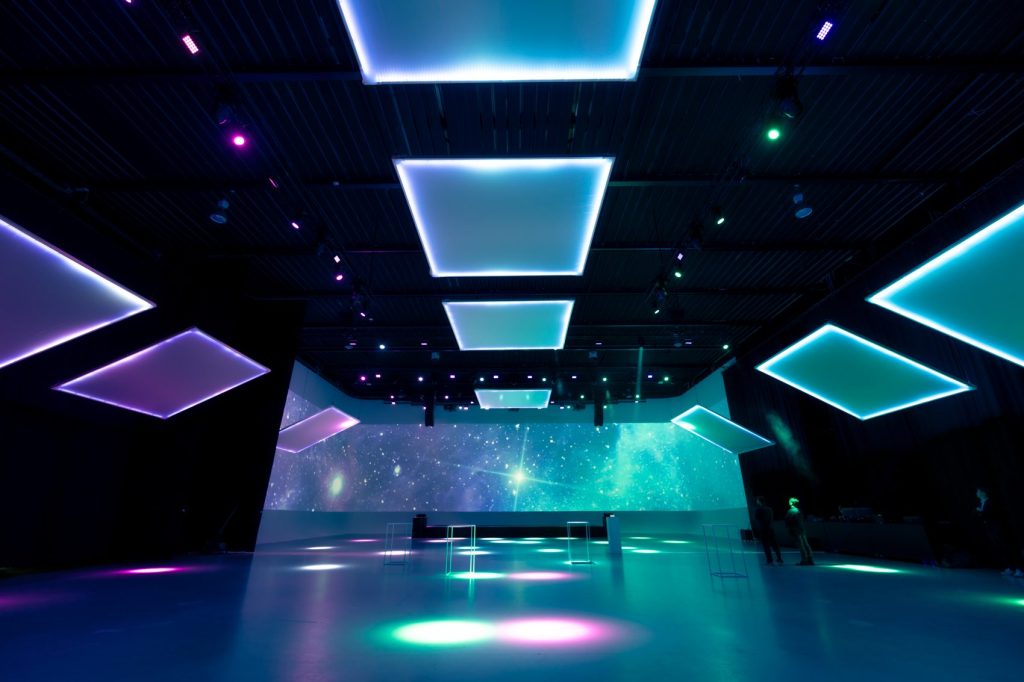
Some Brussels venues are building their infrastructure around exactly that. Event Lounge, a former film studio in Schaerbeek, rebuilt its technical set-up in spring 2026 with Laser System Europe as its on-site technical partner. Its 1,250 m² studio now combines an infinity cyclorama with 4K projection, an image surface of up to 45 linear metres and 12 kinetic structures that reshape the room in real time. That opens the door to product launches, award shows, hybrid conferences and immersive brand experiences.
What it means for planners: bring the venue’s technical team in early, so technology shapes the format instead of being added at the end. For hybrid formats, see our guide to hybrid-ready venues in Brussels.
5. Smaller, sharper, closer
Designing events for more demanding attendees is the biggest challenge planners name for 2027, according to Amex GBT. Delegates weigh every hour away from their desk, so the formats that win are tighter and more curated: fewer people, better matched, with more time for the conversations they came for.
That plays to a structural strength of Brussels: the audience is often already in town. The city is home to around 2,470 international association headquarters, alongside the European institutions and the many organisations that work around them. In the UIA’s figures for 2024, Brussels hosted more international association meetings than any other city in the world, for the fourth year in a row.
A smaller event with a largely local delegate list means less travel, a lower cost per attendee and a lighter footprint. In other words, trends 2 and 3 in one move.
What it means for planners: before you scale up, check who is already within reach. In Brussels, the right people are often one metro ride away.
Plan your 2027 events in Brussels
Whichever trend shapes your 2027 programme, Brussels has the venues to match. Put together your shortlist in the BSV Venue Finder and receive proposals within 48 hours, free and without commission. Take a master view of Brussels.